It is 4pm in August. The thermostat says 74. The house says otherwise. The outdoor unit has been humming since breakfast and your electricity bill is climbing while the living room sits somewhere around 82 degrees.
This is one of the most common calls we get in Redlands, and the frustrating part is that the AC is not broken in the obvious sense. It runs. It blows air. It just cannot win. That gap between running and cooling is where the actual problem lives, and it is usually one of about five things.
First, rule out the cheap stuff
Before anyone touches a refrigerant gauge, check these three. Each takes under ten minutes and each one solves this exact complaint often enough to be worth your time.
The air filter
A filter that has not been changed since spring will choke airflow badly enough to make a healthy system useless. In Redlands the problem is worse than average because of dust and the wind that comes through the pass. If you hold the filter up and cannot see light through it, that is your answer. Replace it and give the system an hour.
Closed or blocked vents
Walk the house and check every supply vent. A couch pushed against a floor register, a closed damper in a spare bedroom, a rug over a vent. People close vents in unused rooms thinking it saves money. It does the opposite. It raises static pressure in the ducts and drops the total airflow the system can move.
The thermostat itself
If your thermostat sits on a wall that gets afternoon sun, or near a lamp, or above a heat-producing appliance, it will read hotter than the room and keep calling for cooling forever. Same effect if the batteries are dying. Check the setting is on Cool and Auto rather than On, since the fan set to On runs constantly and makes people think the whole system is running when only the blower is.
The three causes we actually find most often
If the cheap fixes did not change anything, it is one of these.
1. Low refrigerant, which means a leak
An air conditioner does not consume refrigerant. It is a sealed loop. So if the charge is low, there is a leak somewhere, and topping it up without finding the leak is money you will spend again next summer.
The telltale signs are air from the vents that is cool but not cold, ice forming on the copper line at the outdoor unit, and a system that runs continuously without ever satisfying the thermostat. This is not a homeowner fix. Handling refrigerant requires EPA certification.
2. A condenser coil packed with dirt
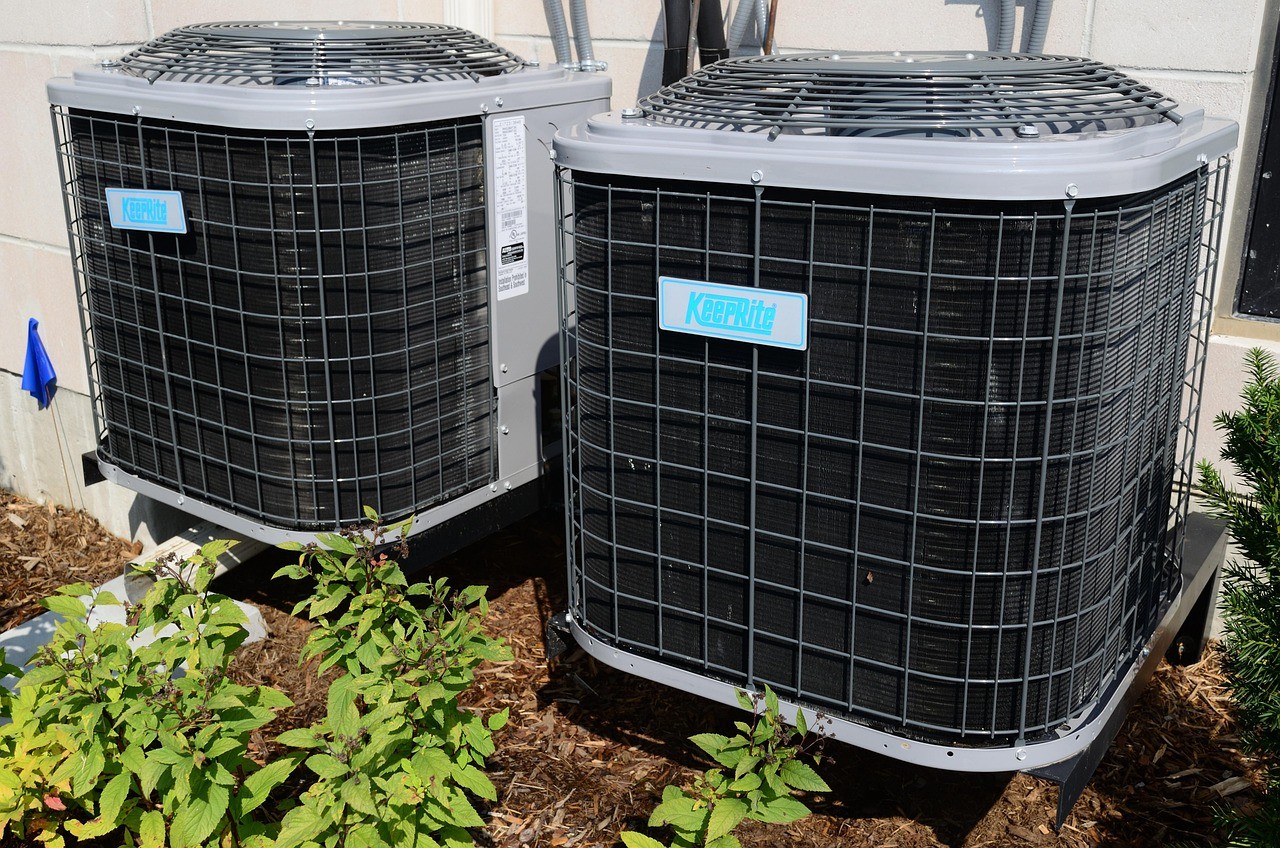
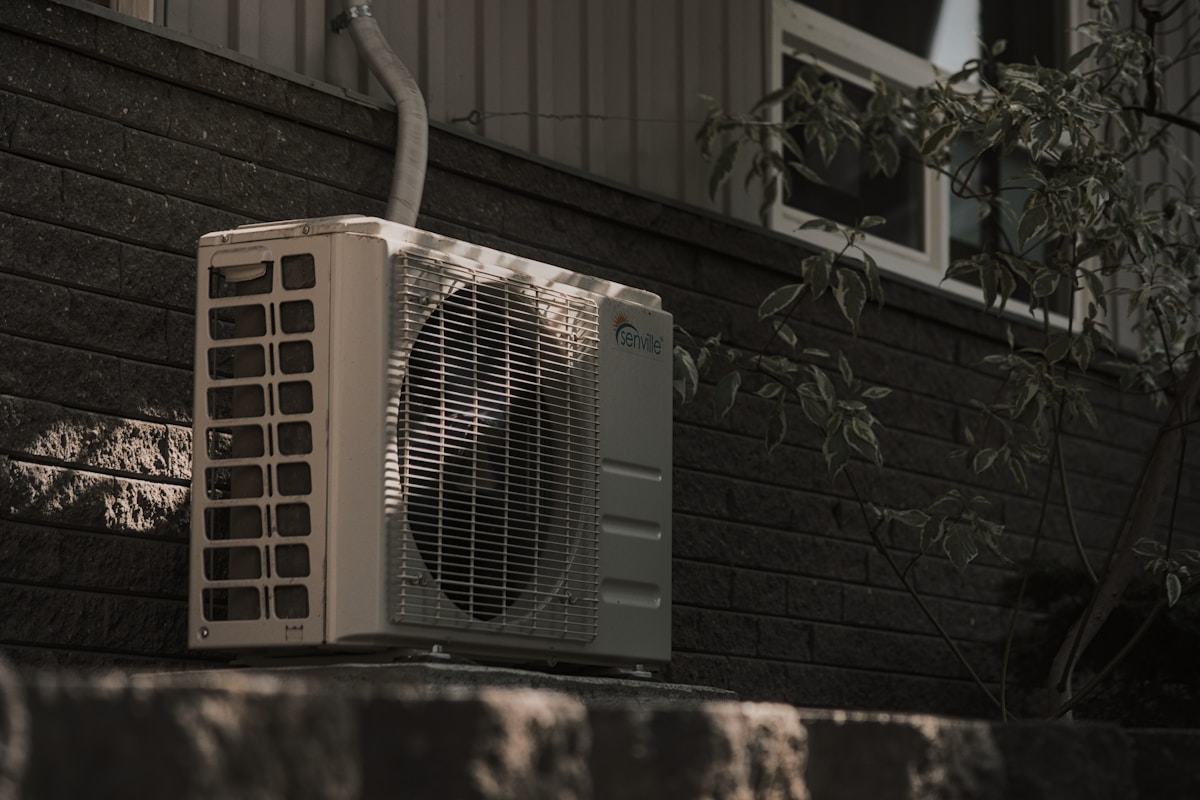
The outdoor unit dumps heat from inside your house into the outside air. If the fins are coated in dust, cottonwood, grass clippings or pet hair, it cannot dump that heat, and the system runs and runs while the house stays warm.
This is the single most preventable cause on the list. You can rinse the outside of the unit gently with a garden hose with the power off at the disconnect, spraying from the inside out where possible. What you should not do is use a pressure washer, which bends the fins and makes the problem permanent.
3. Duct leaks in a 130 degree attic
This is the one most Redlands homeowners never suspect, and in older homes around the historic downtown neighborhoods it is common. If your ductwork runs through the attic and the joints have separated or the insulation has degraded, you are cooling the attic. Air leaves the air handler at 55 degrees and arrives at the bedroom vent at 68.
You can get a rough read on this yourself. On a hot afternoon, hold your hand at the vent furthest from the air handler, then the closest one. A big difference between the two points at the ducts. Sealing and insulating duct runs, or in bad cases having the ductwork cleaned and inspected, often recovers more cooling than anything else on this list.
The uncomfortable possibility: the system is too small
Sometimes nothing is broken. The system is simply undersized for the house and for a Redlands summer.
This shows up in a specific pattern. The AC keeps the house comfortable in June, holds its own until about 2pm on a 105 degree day, then falls behind and never catches up until sunset. If that describes your summer every year rather than just this one, the equipment is doing everything it can.
Undersizing happens for a few reasons. The house was extended without upgrading the system. The original install was sized by rule of thumb rather than a proper load calculation. Or attic insulation has settled over twenty years and the heat load is now higher than it was when the unit went in.
When it stops being an inconvenience
Turn the system off and call somebody if you see any of these:
Ice on the refrigerant line or the indoor coil. Running an iced system can destroy the compressor.
A burning smell, or a hot electrical smell near the air handler.
The outdoor fan not spinning while the unit hums.
The breaker tripping repeatedly.
Water pooling around the indoor unit.
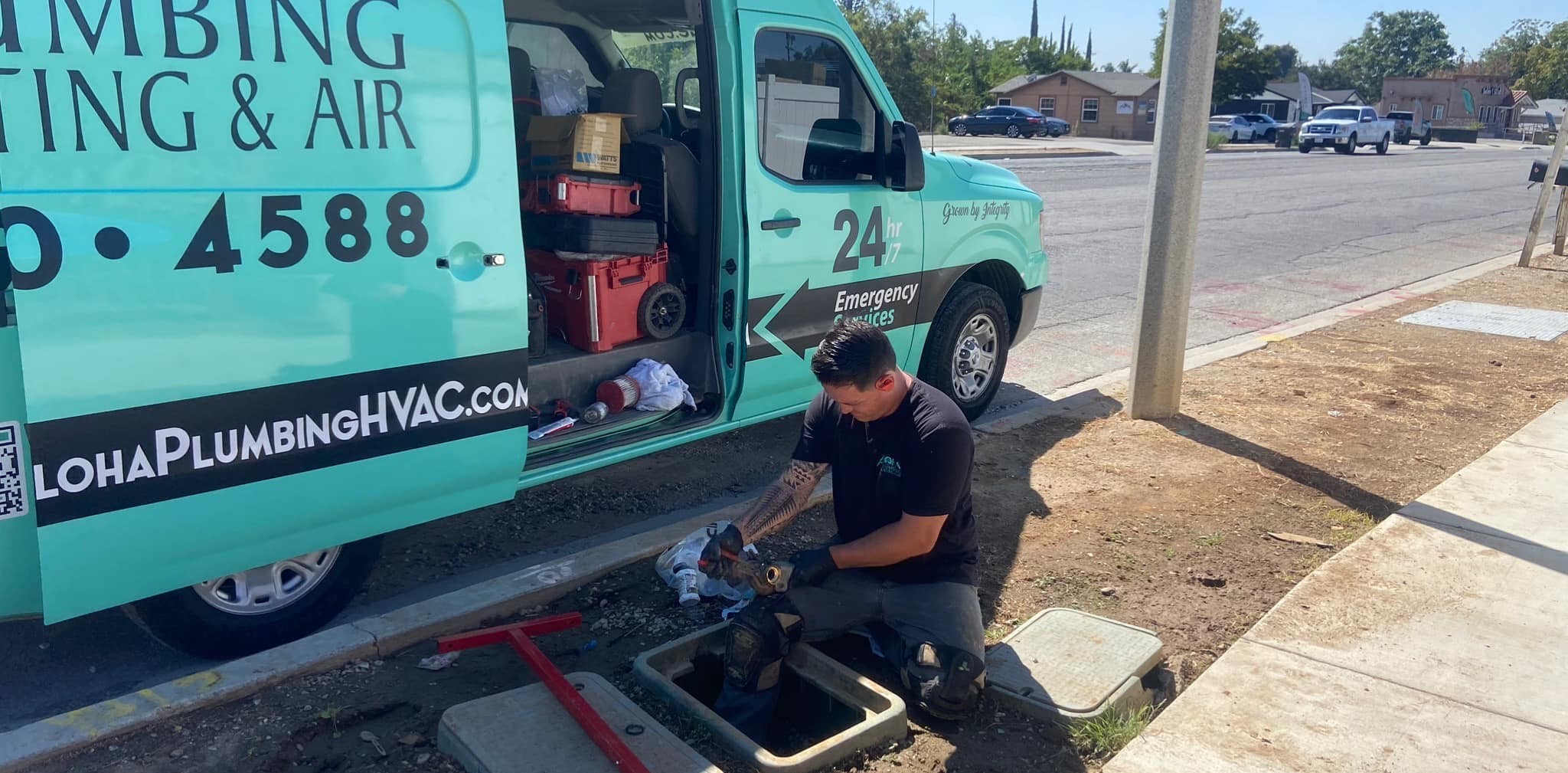
In a Redlands July, a house without cooling is a genuine health issue for older residents, infants and anyone with a respiratory condition. That is what 24/7 emergency HVAC service exists for.
What a technician should actually do
So you know what you are paying for, a proper diagnostic visit for this complaint includes measuring the temperature split between return and supply air, checking refrigerant pressures against the manufacturer's chart, inspecting the condenser and evaporator coils, testing the capacitor and contactor, and checking airflow.
If a technician quotes you a refrigerant top-up without looking for the leak, get a second opinion. You will be back in the same position in a year.
Most of this is avoidable with a service visit before the season starts. Annual AC maintenance catches the dirty coil, the weak capacitor and the small refrigerant leak while they are still cheap problems in April rather than emergencies in August.